Ghost of Yotei Was a Hit. Sucker Punch Still Cut 24 Jobs.
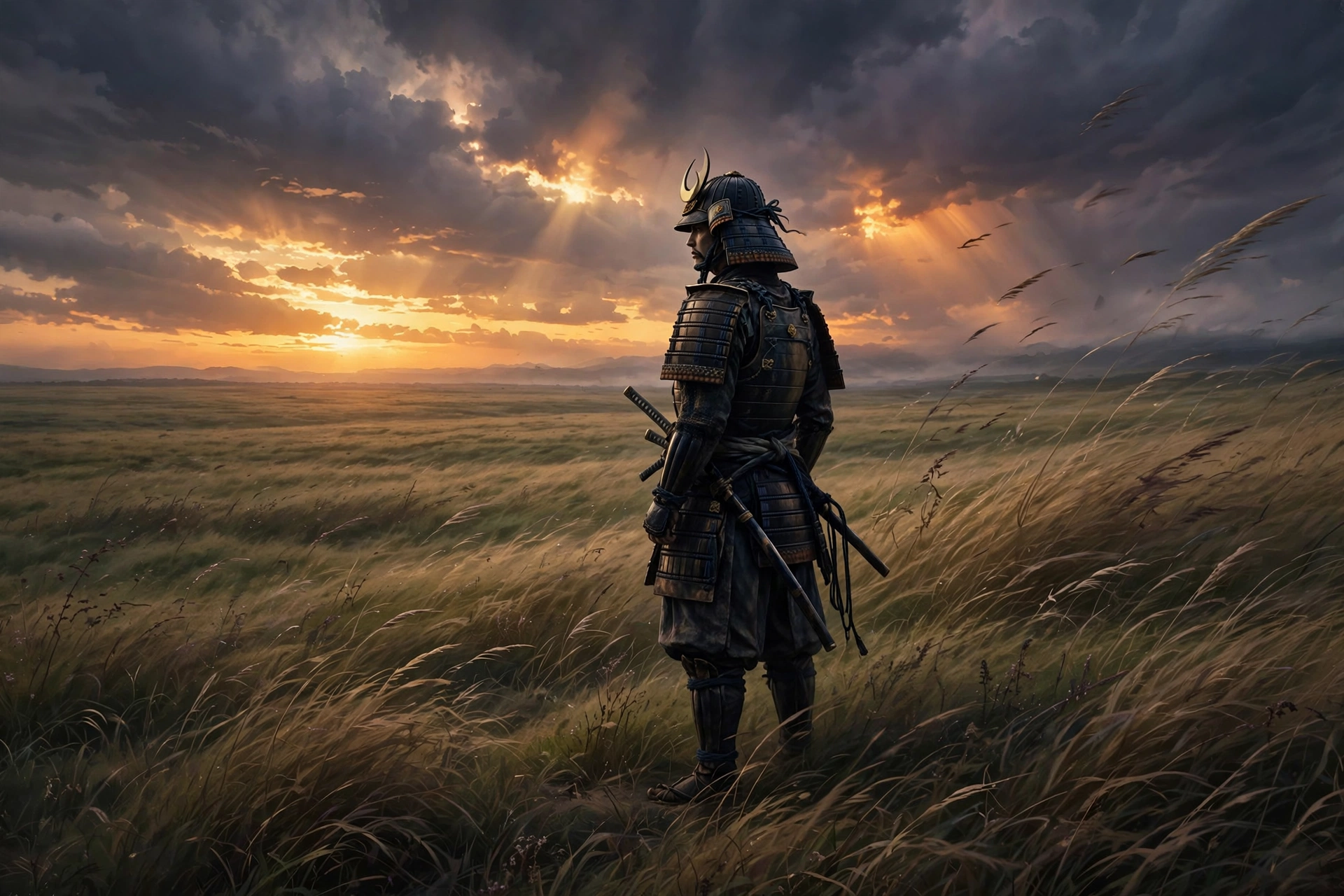
Ghost of Yotei sold millions, and Sucker Punch still cut 24 jobs — roughly 10 percent of the studio — weeks after the Complete Edition closed out the game's content roadmap.
Here's the sentence that should worry everyone who still believes a hit protects a studio: Ghost of Yotei sold millions, and Sucker Punch just cut 24 people anyway.
Aftermath reported the layoffs on October 26, and the number went through a correction worth noting: the first report said 26, then Aftermath corrected it to 24, a figure Game Developer later confirmed with the studio. That's roughly 10 percent of a team estimated at somewhere between 190 and 230 people. Sony has not commented publicly, and no breakdown of affected departments has been reported.
The email studio leadership sent to staff, as quoted by Aftermath, is the now-familiar language: "After carefully observing the challenges in the market and reviewing the team needs for our next project, we've decided to make some staffing reductions." Leadership also told staff, "There's no getting around that this is a hard day. Next week we will go into more details about the future."
The timing is what makes this one sting. The cuts land weeks after Ghost of Yotei: Complete Edition shipped on October 1, bundling the Echoes of Sekigahara story expansion — which brought back the first game's protagonist, Jin Sakai — and the Most Wanted mode, closing out the game's content roadmap. Existing owners could add both with a $14.99 upgrade. By third-party estimates (not Sony's numbers), Yotei has sold around 5.4 million copies and generated just over $400 million in revenue, and it was reported to be Sony's best-selling PS5 title as of June 2026. This was not a rescue operation. This was a victory lap that ended in layoffs.
And it's not happening in a vacuum. PlayStation's year already includes the closure of Bluepoint Games, announced February 19, and job cuts at Bungie, announced June 25 — both delivered by Hermen Hulst, head of PlayStation's studio business. Sucker Punch is the third verse of a song the industry knows by heart now: even the studios that deliver get smaller.
What happens next is genuinely unknown, and that's the part worth watching. Sucker Punch has not announced its next game. Studio head Nate Fleming has previously suggested the team will stay a one-project-at-a-time developer, which makes a post-release contraction less surprising on paper — a team sized for shipping Yotei isn't automatically the team sized for starting something new. But "not surprising" and "fine" are different words, and losing a tenth of a ~200-person studio right as it pivots to an unannounced project is a real cost, paid in institutional knowledge, the day after the game those people shipped finished its run.
The promised update on the studio's future is due the week after the layoffs. Until then, the story is the contradiction itself: a hit game, a smaller studio, and an industry where those two facts no longer conflict.